Valley of the Kings History Timeline - Visitor Guide
Understand the core Valley of the Kings timeline from royal burials to rediscovery and conservation.
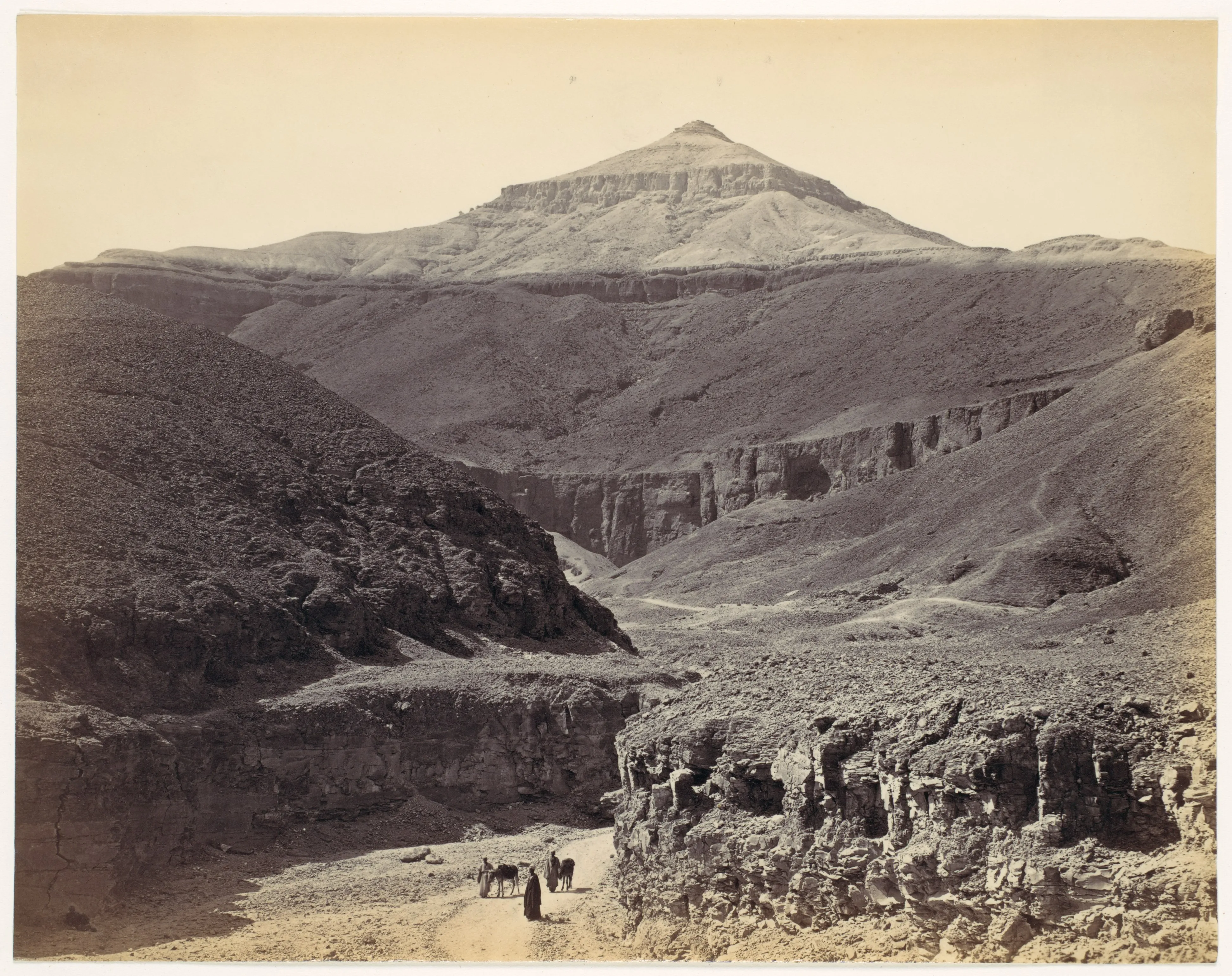
The Valley was never random. It was political theology built in stone.
Fast timeline
| Era | Defining change |
|---|---|
| Early New Kingdom | Valley established as elite burial landscape |
| 18th Dynasty | Expansion of tomb style and decoration |
| 19th–20th Dynasties | Continuity with adaptive visual programs |
| Later centuries | Reuse, damage, and partial forgetting |
| Modern era | Archaeological recovery and protection |
Why this valley?
- Hidden topography
- Ritual proximity to Thebes
- Symbolic mountain setting
Read each wall as both art and policy.
History in layers, not headlines
The valley is easiest to understand when seen as a long conversation between ideology, craft, and changing state capacity. Styles evolve, but so do priorities, resources, and risk management.
Three interpretive lenses
- Political: how legitimacy is staged
- Religious: how afterlife passage is visualized
- Administrative: how labor and planning are organized
With these lenses, every chamber becomes evidence, not decoration.
Walking with chronology
As you move from one tomb to another, ask what feels continuous and what feels revised. That contrast is where history becomes visible.
Bottom line
Timeline knowledge transforms awe into understanding.
About the Author

Ancient Egypt Editorial
This guide was created to help travelers navigate the Valley of the Kings with clarity and respect—not just as a checklist destination, but as a profound cultural landscape where archaeology, art, and human belief meet in extraordinary ways.
Tags
Comments (0)
Loading comments...